
News
EQUITY AND RESILIENCE IN THE PENITENTIARY SYSTEM: DISCUSSING PRELIMINARY RESULTS OF THE FIRST GENDER INEQUALITY RESEARCH DURING A STRATEGIC CO-CREATION WORKSHOP
The multi-year collaboration between the Public Association "AFI" (Act for Involvement) and the National Administration of Penitentiaries (NAP) has steadily evolved, shifting from providing direct health services to incarcerated individuals toward a strategic approach focused on data collection and analysis. Currently, the partnership centers on utilizing operational research as an essential tool for informed decision-making.
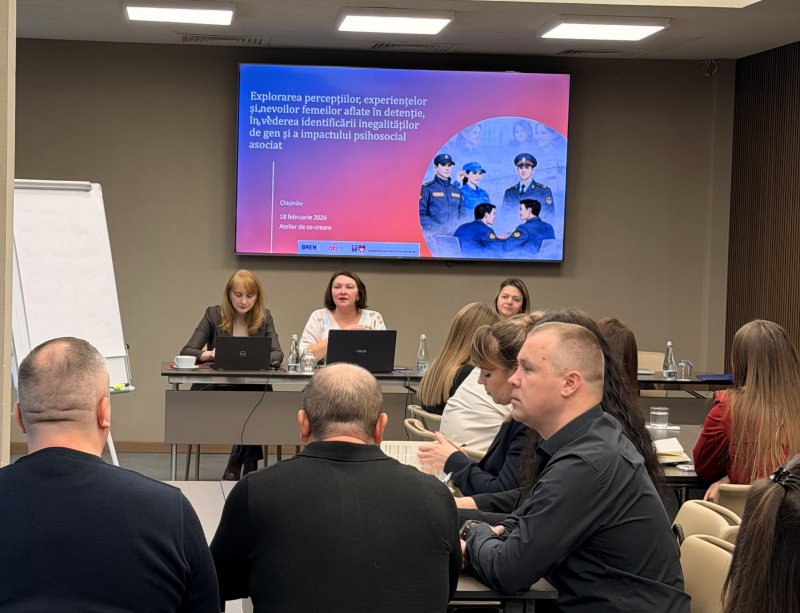
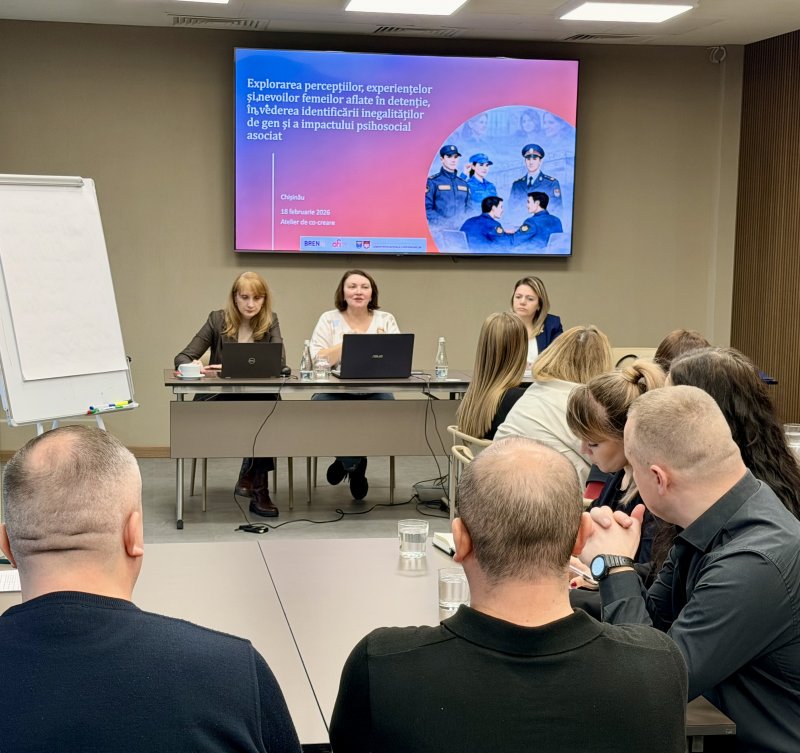
During a strategic workshop held on February 18, 2026, preliminary results of a research study aimed at redefining equity policies for both female inmates and female staff within the prison system were presented and analyzed.
The event was organized under the project "The Woman on Both Sides of the Bars: Between Equity and Resilience," funded by the Institute for War and Peace Reporting (IWPR) with support from the UK Government. This initiative arose from the need to understand the systemic barriers affecting the professional development of female employees and the rehabilitation process for women in state custody.
A Multidisciplinary Approach
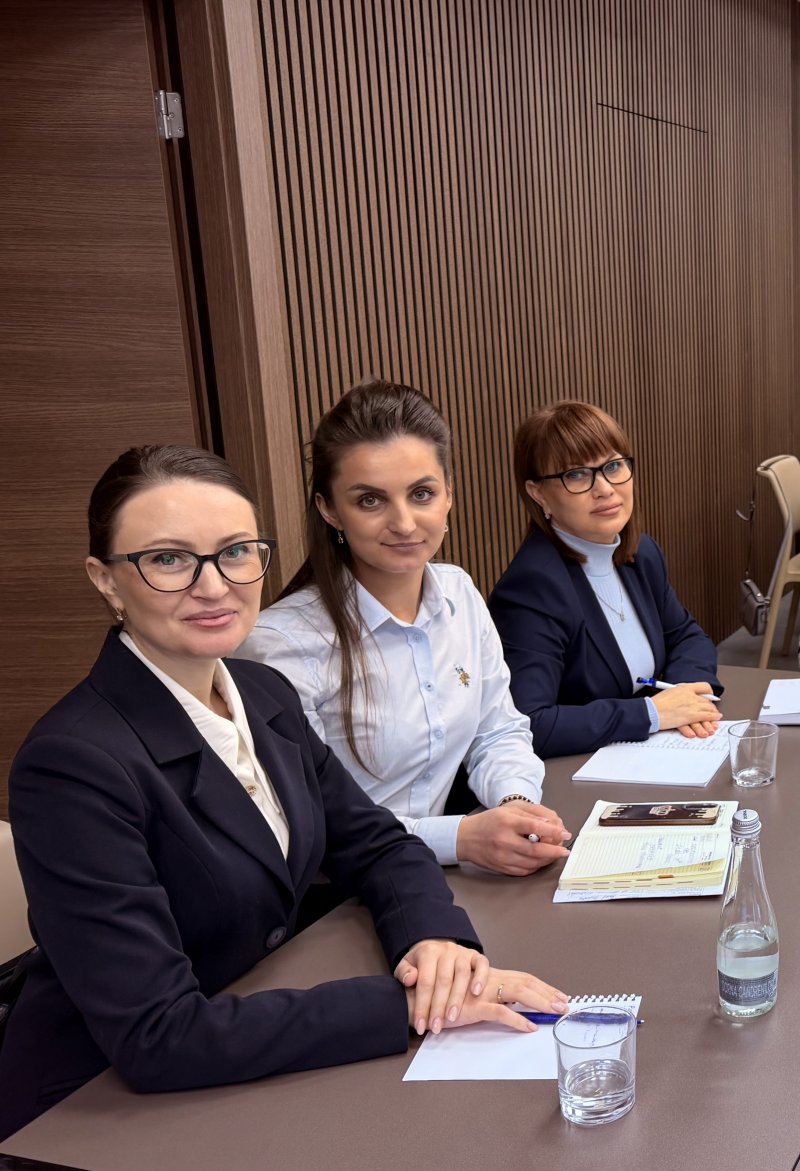
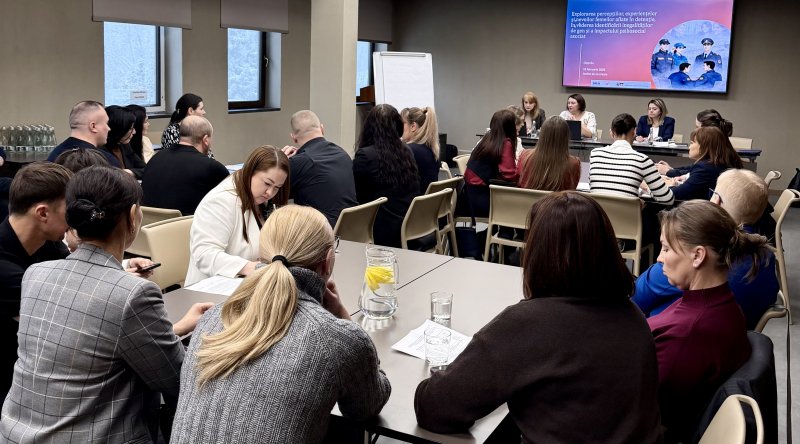
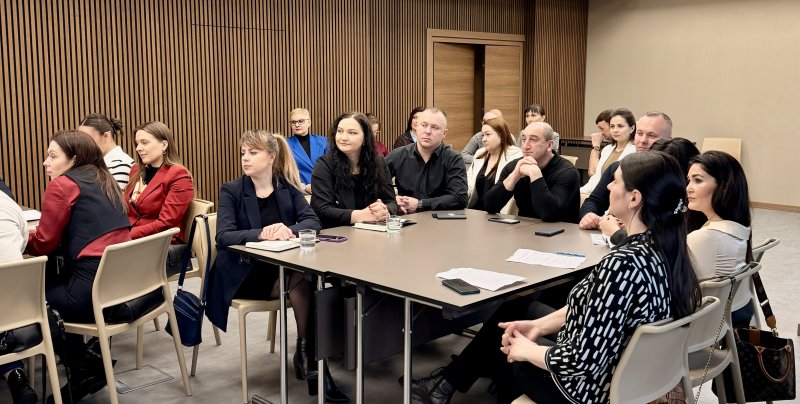
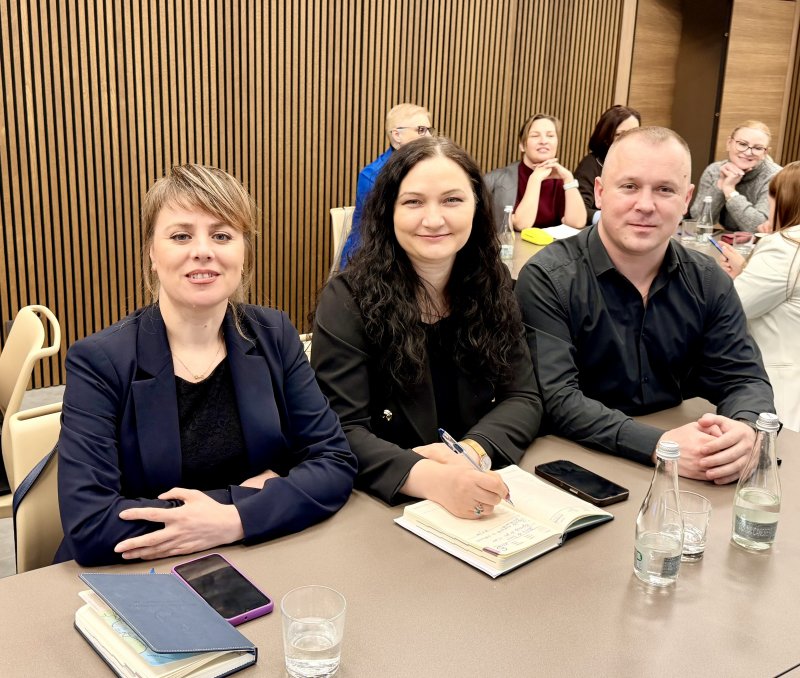
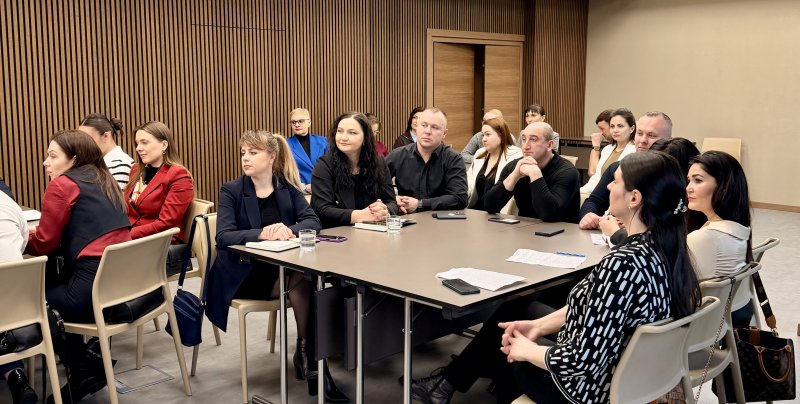
The event brought together 25 representatives from key NAP structures, ensuring a comprehensive systemic perspective. Discussions involved specialists from various departments, including:
Guarding, Escort, and Commendancy;
Medical, Legal, and Security & Regime;
Inspection, Internal Protection, and Anti-corruption;
Human Resources, Planning, Analysis, and Monitoring;
Communication, Protocol, and International Cooperation;
Social Reintegration, Organizational Psychology, and the Training Center.
The voice of field practitioners was represented by specialists from Penitentiaries No. 7 (Rusca), No. 11 (Bălți), No. 13 (Chișinău), and No. 16 (Pruncul). This participatory structure allowed discussions to be firmly anchored in the operational reality of each prison service.
Research Findings: A "Mirror" for the System
The focal point of the day was the presentation of the study conducted between November 2024 and December 2025. This research—of a complexity rarely seen in the justice system of the Republic of Moldova—combined quantitative and qualitative methods to explore gender inequalities and psychosocial risks identified in both target groups.
Svetlana Doltu, Director of AFI, opened the event by emphasizing that this study represents a necessary "mirror" for the system.
Irina Barbîroș, Head of the NAP Medical Department, highlighted the innovative nature of the initiative:
"The importance of conducting such research is indisputable, especially since such an exercise has never been performed in our system before. Collaborations that help us identify systemic issues are always welcome, as they provide the necessary foundation to improve conditions for inmates and, equally, the working environment for NAP employees."
During the session, Svetlana Doltu and Ana Ciobanu (project expert) presented the findings, explaining the inequalities and hardships faced by women in prisons, whether as detainees or staff members.
From Data to Action
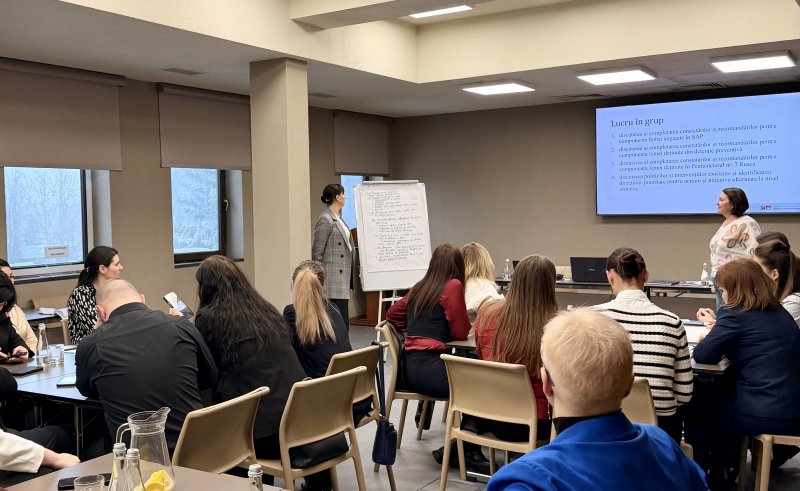
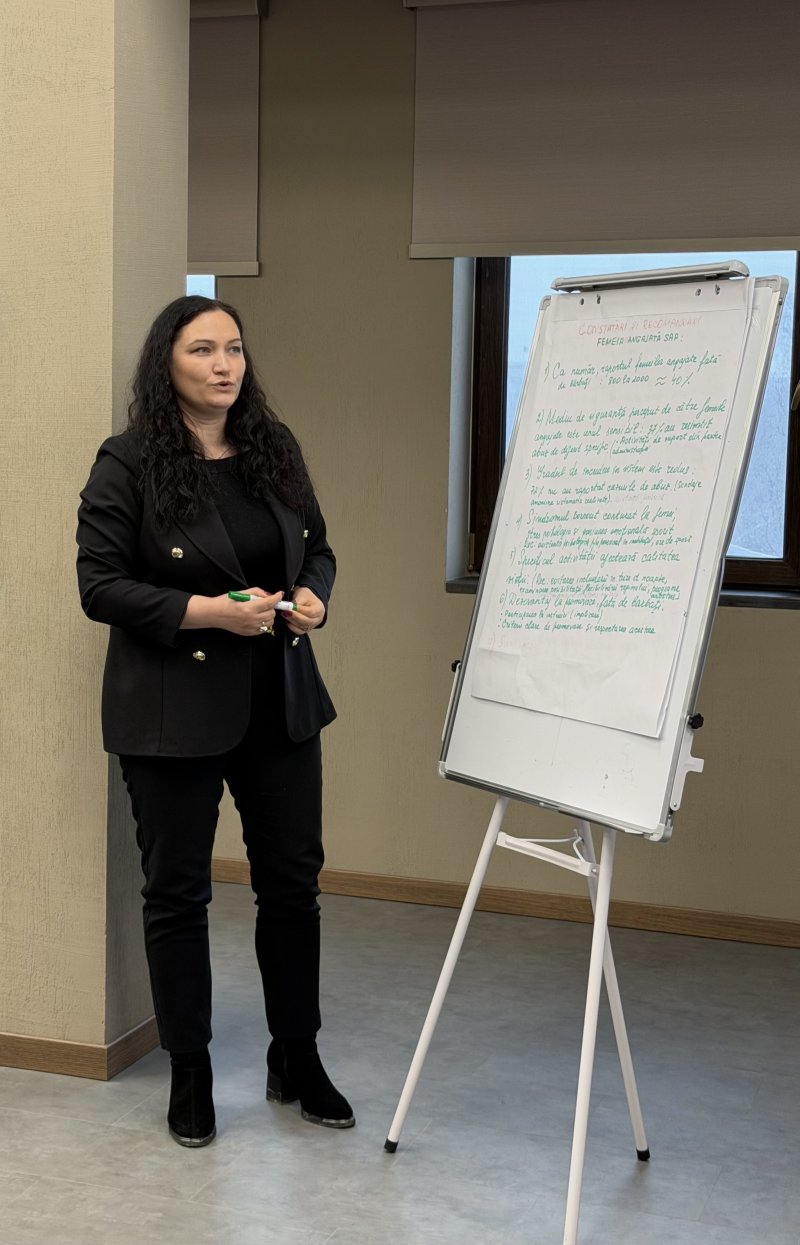
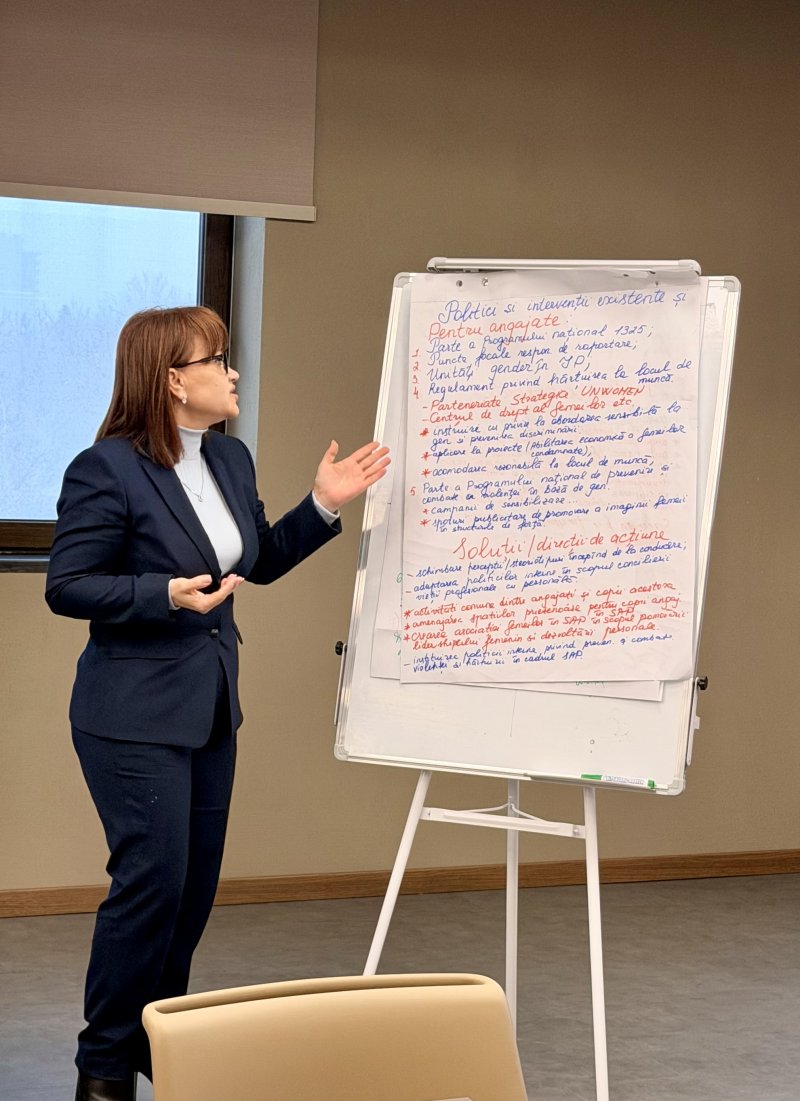
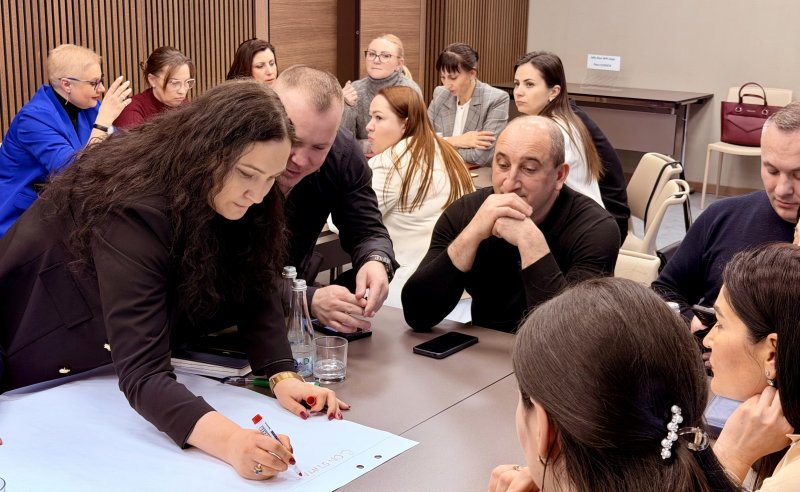
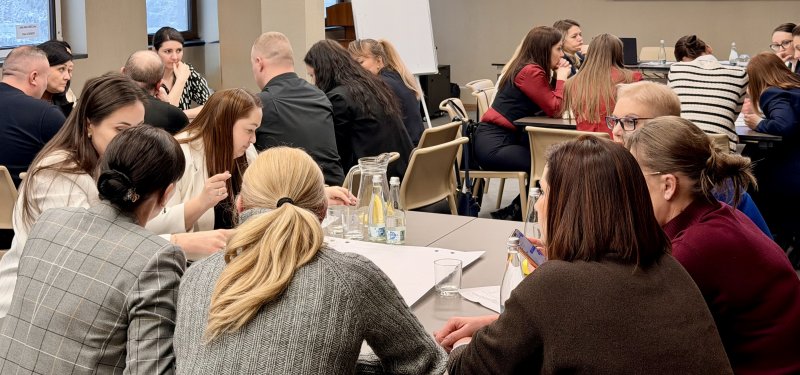
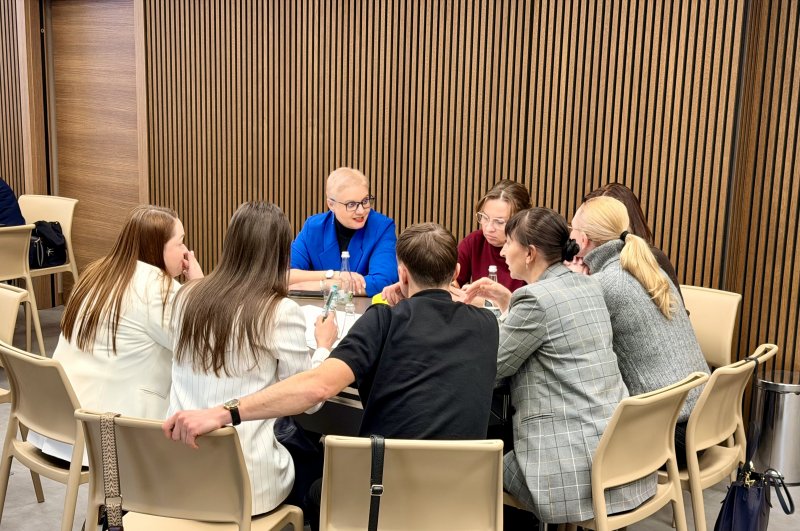
To transform data into concrete changes, participants worked in thematic groups to formulate recommendations for four priority areas:
Female Staff: Career promotion and ensuring work-life balance.
Preventive Detention: Strengthening protection for women in pre-trial detention, identified as a highly vulnerable category.
Penitentiary No. 7 Rusca: Developing specific support and rehabilitation solutions tailored to the needs of female inmates.
Systemic Interventions: Updating normative acts and training programs for the entire system.
Next Steps
The final results of the study, enriched by the solutions identified today, will be published at the end of March 2026. These will be distributed to decision-makers and international partners, serving as a roadmap for future reforms in justice and gender equality, as well as the implementation of the Women, Peace, and Security (WPS) Agenda within the National Administration of Penitentiaries.
.jpeg)
.jpeg)
Other news
- 29 March 2026FROM DATA TO ACTION: THE PROJECT THAT REDEFINES GENDER EQUITY IN DETENTION INSTITUTIONS
- 19 March 2026125 EMPLOYEES OF THE PENITENTIARY SYSTEM, TRAINED IN THE FIELD OF GENDER EQUALITY AND PROFESSIONAL RESILIENCE
- 18 July 2022Ensuring access for psychological, sexual reproductive health and HIV prevention services for Adolescent Girls and Young Women refugees with a focus on key and vulnerable populations (people living with HIV, children and adolescents, women etc)