
News
FROM DATA TO ACTION: THE PROJECT THAT REDEFINES GENDER EQUITY IN DETENTION INSTITUTIONS
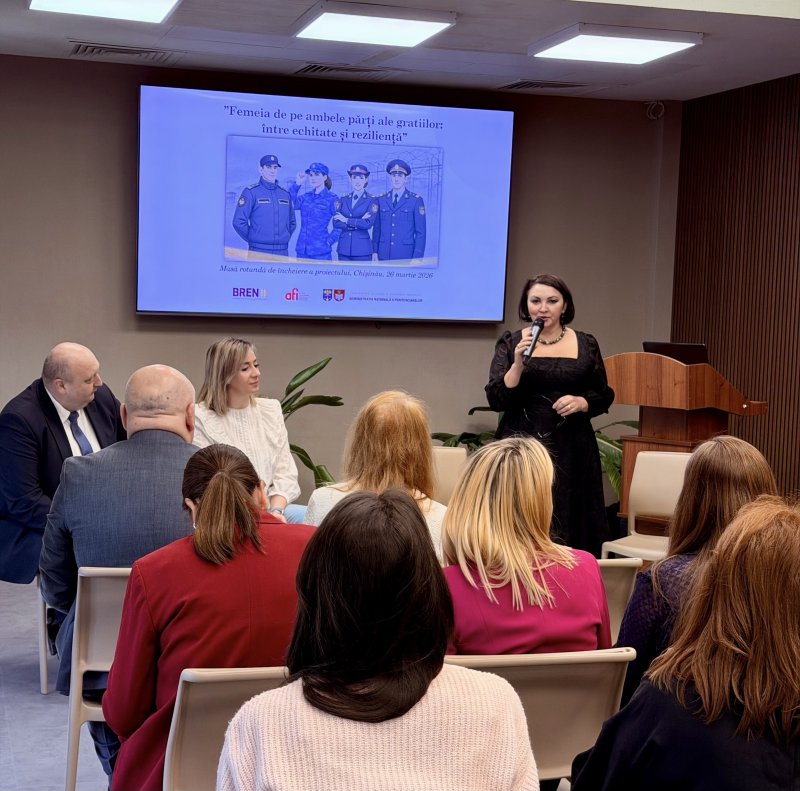
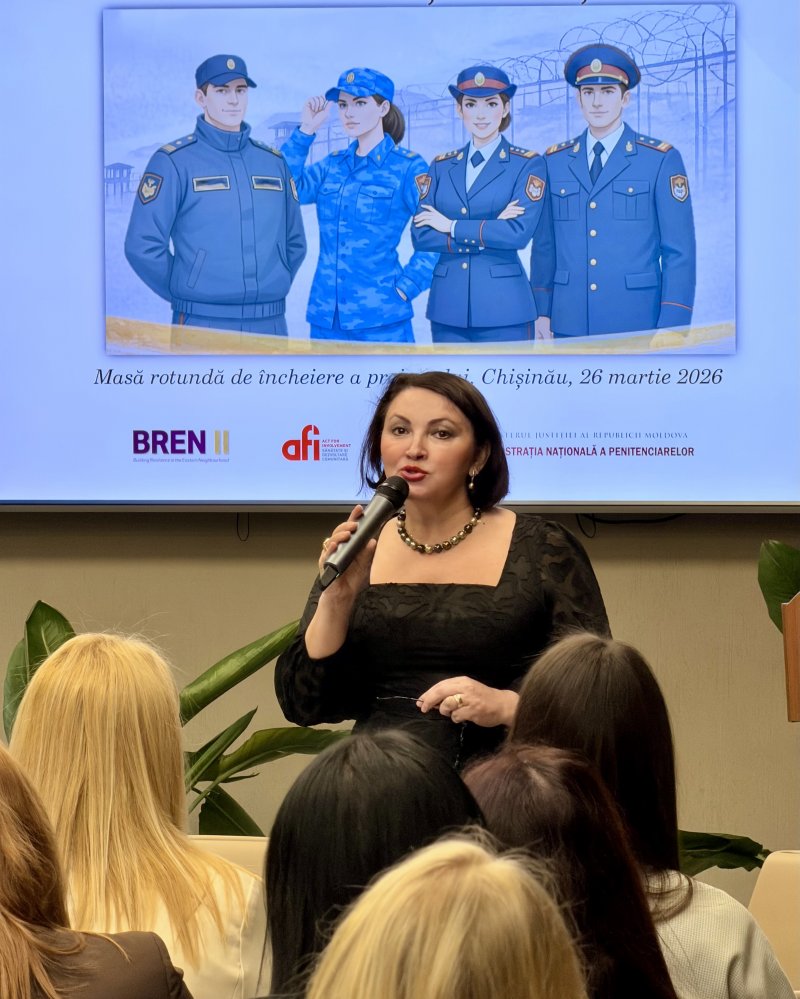
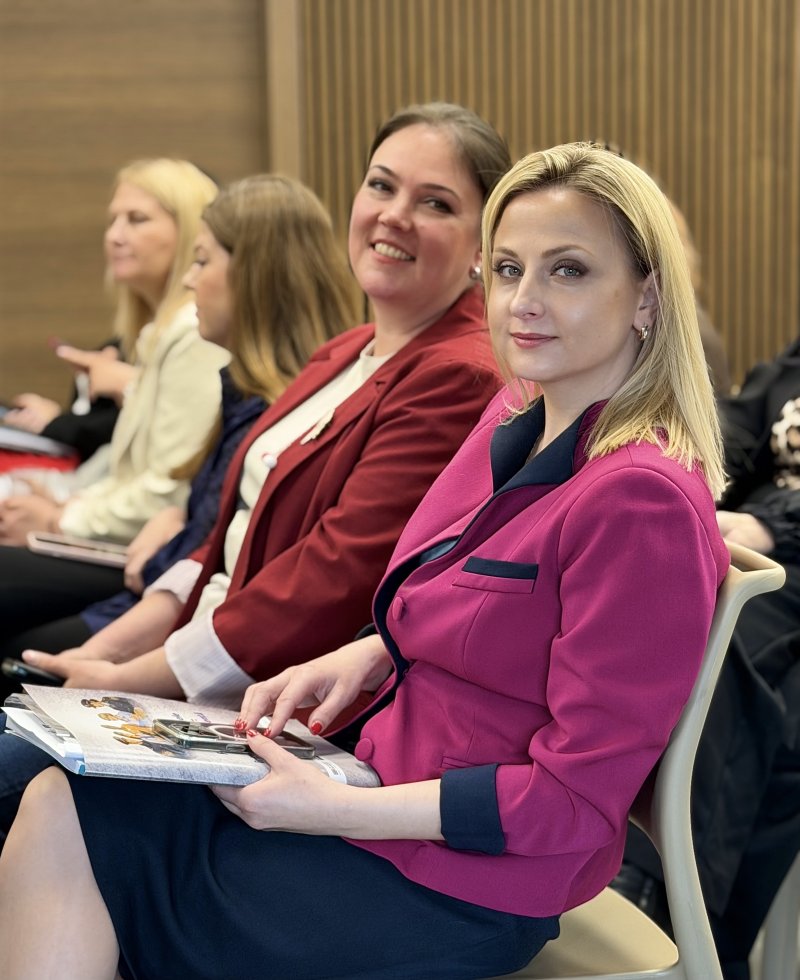
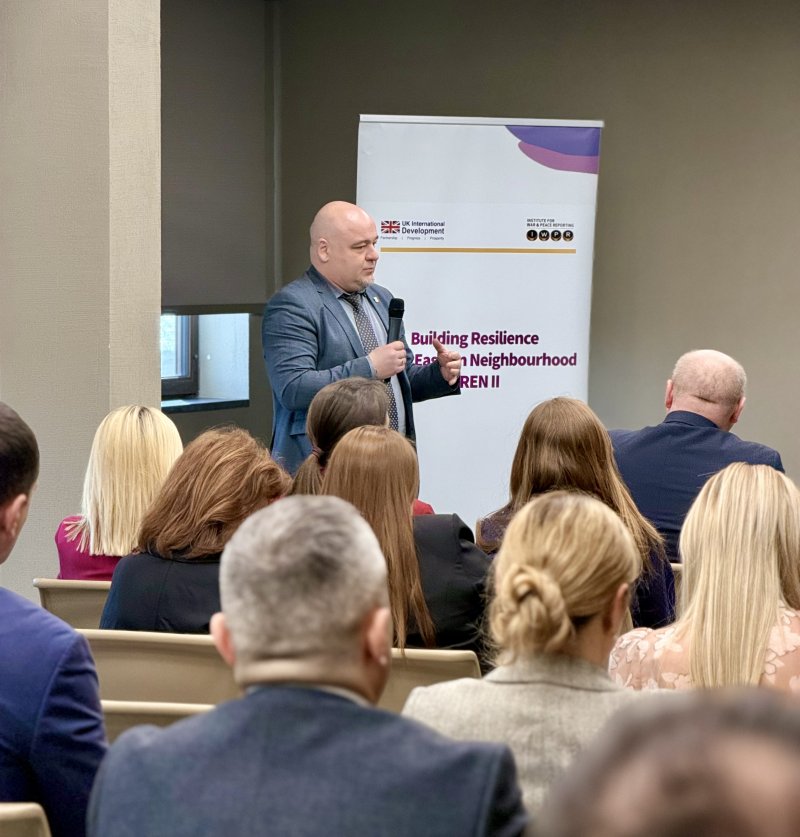
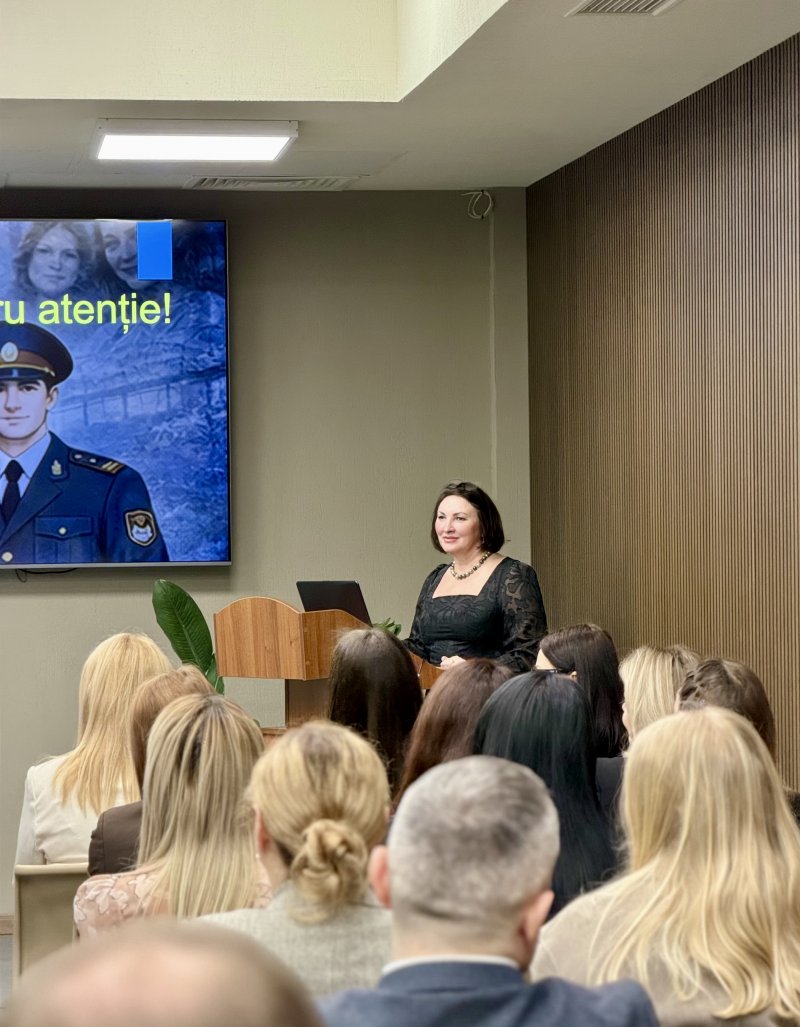
On March 26, 2026, the Public Association "AFI", in partnership with the National Administration of Penitentiaries (ANP), presented the results of the project "Women on Both Sides of the Bars: Between Equity and Resilience." The event, held at MIMI Hotel, brought together around 50 participants: professionals in the field, officials, and representatives of civil society to discuss gender inequalities that mark the detention system in the Republic of Moldova.
A METHODOLOGICAL FIRST IN THE REPUBLIC OF MOLDOVA
The project, funded by the Institute for War and Peace Reporting (IWPR) with the support of the Government of the United Kingdom through the BREN II program, was implemented during the period from October 2025 – March 2026 and presents the first extensive study that simultaneously compares the experiences of two distinct groups, yet united by systemic vulnerabilities: incarcerated women and women employed within the penitentiary system.
The research was conducted across the entire national prison administration system, collecting data from 771 employees (275 women and 497 men) and 200 incarcerated women in 5 penitentiaries. The results indicate an institutional landscape marked by structural disparities, exposure to harassment, and limited access to protection mechanisms.
KEY CONCLUSIONS
The study highlights that gender inequalities are not isolated incidents, but deep-rooted processes:
- Incarcerated women face high levels of stress, anxiety, and depression caused by experiences of humiliation, inadequate access to reproductive health care, and difficulties in maintaining family ties.
- Female employees report an exhausting professional climate, barriers to promotion to leadership positions, and a high degree of exposure to abuse and harassment.
"Our approach was a dual one, as we understood that both groups of women face similar psychological pressures and stigmatization," said Svetlana Doltu, director of AFI, emphasizing the importance of the 'Women, Peace, and Security' Agenda as a pillar of reform.
PROJECT IMPACT
In addition to the research component, the project delivered concrete results for aligning the penitentiary system with the National Implementation Program of Resolution 1325 for the period 2023–2027:
- 125 ANP employees were trained in the field of gender equality, recording an increase in knowledge from 78% to 85.1%.
- A specialized curriculum and informational materials (5,000 units) were developed to raise awareness among staff and the public.
- The study results were validated in a co-creation workshop, laying the foundations for future internal policies on preventing harassment and flexibilizing the work schedule.
MESSAGES FROM STRATEGIC PARTNERS
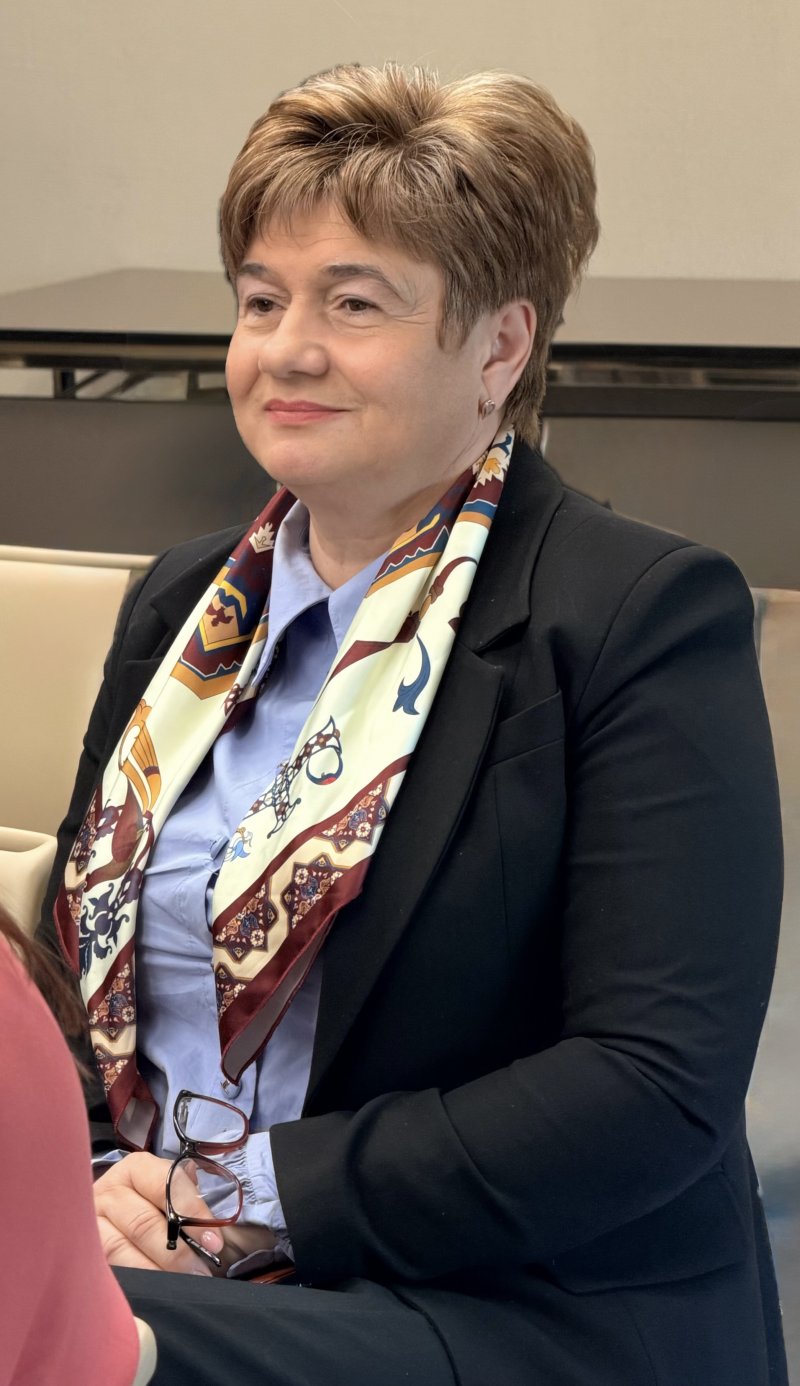
Alexandru Adam, the director of the National Administration of Penitentiaries, expressed gratitude for the support provided in documenting realities on the ground, while Tatiana Chebac (BREN II representative) emphasized the importance of funding projects that bring equity to the most rigid areas. Viorel Sochircă, director of the National Probation Inspectorate, welcomed the initiative, highlighting the importance of the continuity of support for women even after leaving the penitentiary system for better social inclusion. Eleonora Grosu, Director of Programs at the Women's Law Center, described the research as a "compass" for future interventions, and Svetlana Plămădeală (UNAIDS country representative) stressed the usefulness of these tools in changing outdated systemic practices, as well as expressing openness to contributing to the training of penitentiary staff on issues of inequality and stigma. The subject of mental health has been a common thread in the discussions. Maxim Croitoru, project manager at NGO 'Prietena mea,' emphasized the critical role of psychologists, which is no longer a luxury in the prison system but a vital necessity to ensure the resilience of staff and the rehabilitation of inmates. This need was also confirmed by Ana Zaharcenco, head of the Social Reintegration Directorate of the ANP, who identified the lack of psychology specialists, as well as psychiatrists, as a major and persistent challenge.Towards the end of the event, Irina Barbîroș, head of the Medical Directorate of the ANP, thanked the partners for their expertise, emphasizing that health in detention settings is an inseparable component of human rights. Additionally, Svetlana Ciobanu, director of NGO 'Step by Step, South Region,' highlighted the importance of partnership and essential engagement to formulate recommendations that do not remain on paper.
Note: The prepared study will be published and can be accessed later

Other news
- 19 March 2026125 EMPLOYEES OF THE PENITENTIARY SYSTEM, TRAINED IN THE FIELD OF GENDER EQUALITY AND PROFESSIONAL RESILIENCE
- 18 February 2026EQUITY AND RESILIENCE IN THE PENITENTIARY SYSTEM: DISCUSSING PRELIMINARY RESULTS OF THE FIRST GENDER INEQUALITY RESEARCH DURING A STRATEGIC CO-CREATION WORKSHOP
- 18 July 2022Ensuring access for psychological, sexual reproductive health and HIV prevention services for Adolescent Girls and Young Women refugees with a focus on key and vulnerable populations (people living with HIV, children and adolescents, women etc)